
Our highlighted collection this month is from the Royal Navy Museums! Find out more about the library, their collections, projects and events in this fascinating new post written by Librarian, Heather Johnson.
I’m Heather Johnson, Librarian (Special Collections) for Royal Navy Museums, previously known as the National Museum of the Royal Navy. Although the job title suggests special collections, I oversee around 30,000 volumes at our site in Portsmouth and support the library and printed technical manuals held at the Royal Navy Museums Navy Aviation site in Yeovilton. The role sits within the Collections and Research Department, where I work in collaboration with our Curators; predominately alongside the archive collection of nearly 90,000 documents. As a museum we link the history of the Navy to the Nation and have an active collecting policy.
The library collection is used in many ways as part of the wider museum collection. Our staff reference the material internally, and through outreach projects, we use some items for our local community programmes. External researchers can also use the collection through our Collections Access Service, by either visiting our Research Rooms, or booking a virtual visit.
The museum and the associated libraries which make up this collection have a complex origin, coming from several smaller museums which integrated in 2009. These included the Fleet Air Arm Museum, Royal Naval Museum, the John Wells Library from HMS Warrior, Coastal Forces Heritage Trust, Royal Marines Museum library, Priddy’s Hard and the Collingwood Heritage Collection.
Each library had its own background and history. Since 2015 we have been bringing the collections together into a single entity. This has been a long project spanning the last ten years. A key element to this project was creating a shared catalogue, migrating the data into one database. The other was to create a centralised store in the Collection Centre located in Storehouse 12 in Portsmouth Historic Dockyard which brought all the Portsmouth-based collections together.
During the last ten years, auditing and documenting the newly combined collections, and getting their records online for the first time, has been my primary focus. Although the oldest item from our library dates to 1640, the Royal Marines Museum Library as a collection is the oldest, developed from the original libraries established by the Royal Marine Artillery in Eastney in 1880. The John Wells Library, HMS Warrior 1860, was named after the ship’s first captain following its restoration in 1987. Most recent acquisitions include the Collingwood Heritage Collection, which started next to the piggeries in HMS Collingwood in 1953. It specialised in naval signaling and communication from the 1880s to 2005. The different libraries reflect the different branches of naval service, with a range of works on navigation and communication.
They also contain some challenging stories, and occasionally graphic content which can be upsetting to some users. Adding content warnings, which highlights to user difficult stories but does not prohibit them from using items has been part of our work improving catalogue records, a project which is still in progress.
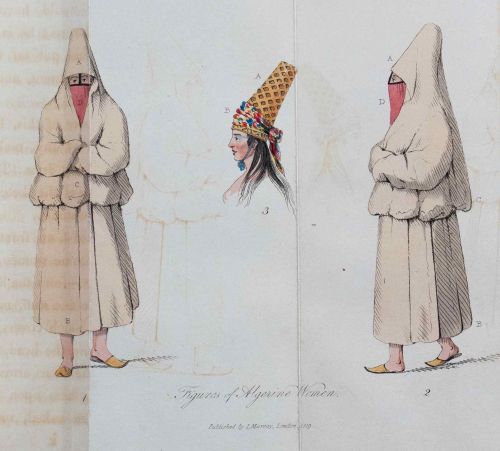
One such example is a dedicated copy of ‘A narrative of the expedition to Algiers in the year 1816’. It is inscribed ‘May 15th, 1819, Sir Charles Penrose from his ever obliged and most humble servant the Author’. Abraham Salamé was the interpreter for the expedition, who came from Alexandria. The report includes observations on life in the city from his perspective, which were not always complimentary and occasionally describe the treatment of slaves in brutal detail.
Other volumes reflect the personal interests of members of the services. For example, the History of Brooklands Motor Course, 1906 – 1940 records some of the racetrack career of Captain C.W. Fiennes, Royal Marines. It also mentions his track cars, including his yellow and blue 3 litre Bentley, before he progressed to a small sports car, the M.G. Midget. In May 1931 he came fifth with his driving partner, N. Black.
It has been challenging to bring together so many collections in less than two decades. A large part of this project involved recognising and disposing of duplicate or surplus stock. Duplicates have occurred because the founding Museums’ mandates were very similar and therefore acquired similar reference material. Some duplicates are retained where it is determined there is significant provenance in separate copies, or where a reference copy is required for a specific site. We developed a robust rationalisation policy, with disposals being reviewed and agreed on by the committee. They are offered to other accredited and non-accredited heritage organisations in the first instance, before sharing the lists with non-heritage institutions.
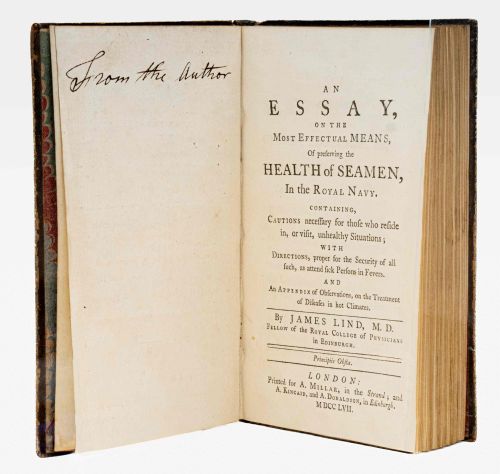
Having a healthier collection with fewer duplicates allows us resource to continue to collect key new items. One of our recent acquisitions has been ‘An Essay on the Most Effectual Means of Preserving the Health of Seamen in the Royal Navy’, by James Lind, 1757. This copy of his follow up work to ‘A treatise of the scurvy’ was presented to Edwin Sandys, 2nd Baron Sandys following his appointment as a Lord of the Admiralty in 1757. One of the most significant works in improving the health of sailors, it emphasises the benefits of fresh vegetables but is simply signed ‘from the author’.
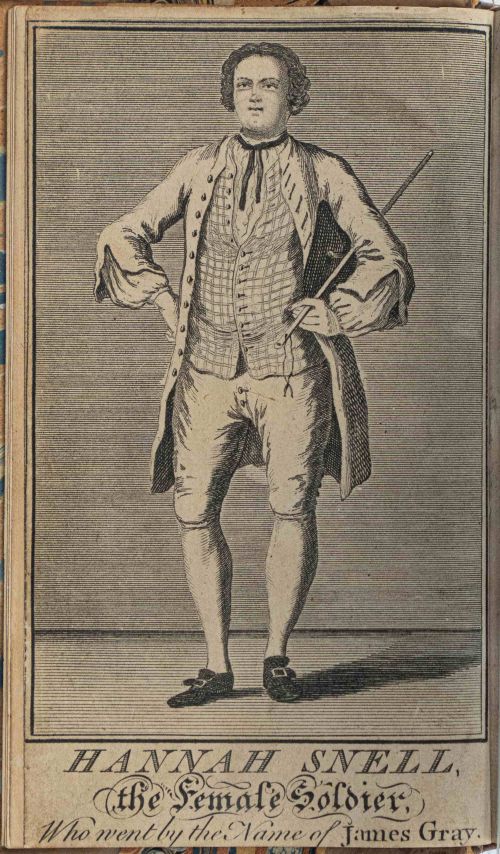
The museum also has an ongoing programme of exhibitions and events which the library showcases within. Currently we are working on our upcoming launch of the Royal Marines Experience, the galleries which reflect the history of the Corps since its foundation in 1664 and will open this summer in the Portsmouth Historic Dockyard. One item from the library which will feature in the timeline is the early edition of the female Marine, Hannah Snell’s and her exploits during the Carnatic Wars in India.
We have an active public engagement programme, currently this is featuring 100 stories series ‘Our Untold Stories’, with more events planned. These are advertised through our website (www.royalnavymuseums.org.uk) and social media pages.
By Heather Johnson, Librarian (Special Collections) for Royal Navy Museums.
You can explore the library’s collections on Discover and find further contact details on their Discover information page.
All images copyright of Royal Navy Museums, reproduced with kind permission of the copyright holder.
